I build full-stack systems that scale.
8+ years across AWS, Goldman Sachs, and Samsung, building Java/Spring, React, cloud, database, and distributed systems used at serious scale.
I work across backend platforms, product frontend, cloud architecture, and autonomous AI engineering workflows that turn a chat request into tested code and a GitHub PR.
8+
Years building production software
Millions
Users served through scalable platforms
AI Agents
Autonomous coding, tests, review, and PR workflows

🚀 What I Do
🧠 Skills
⚡ Projects
Restaurant POS SaaS
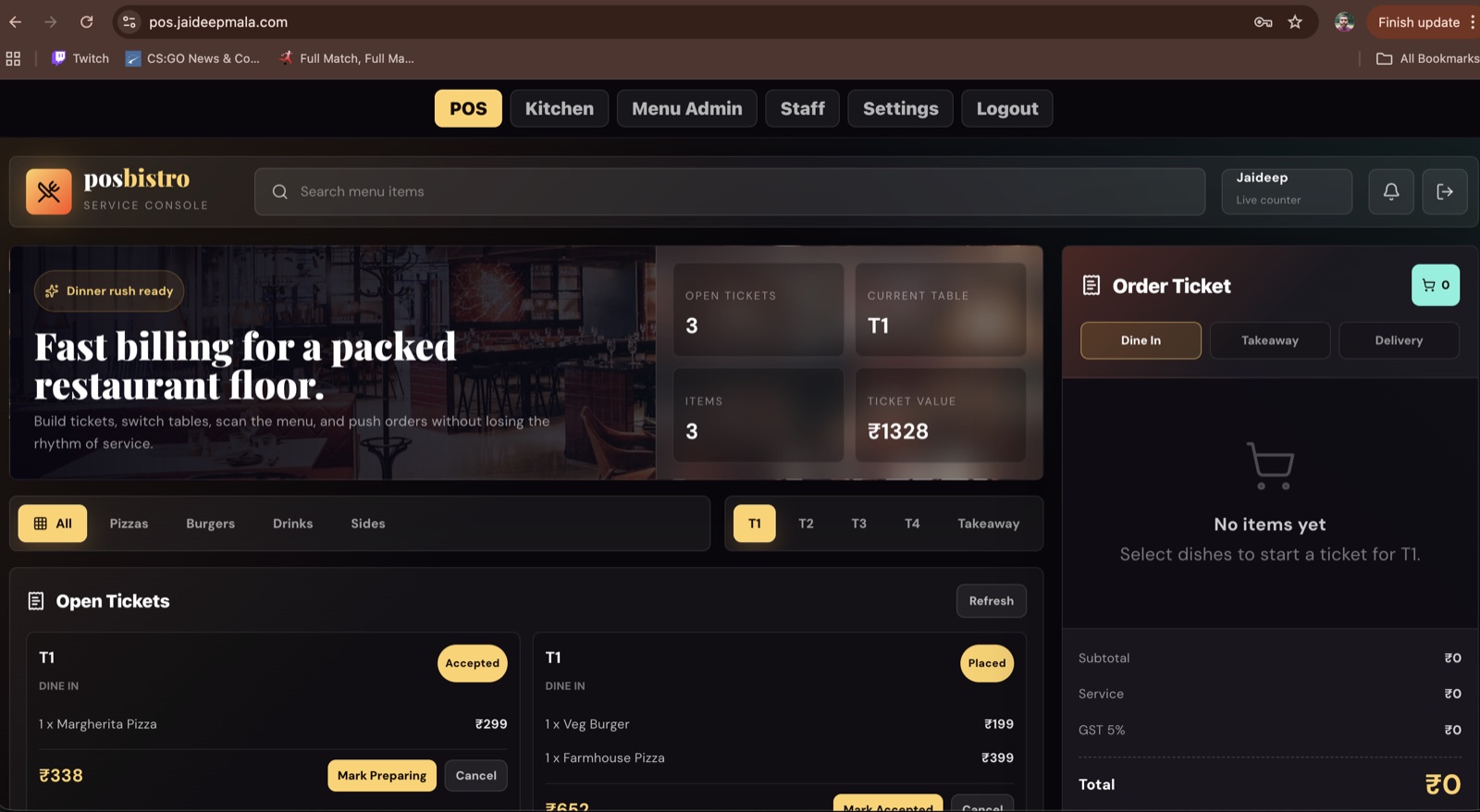
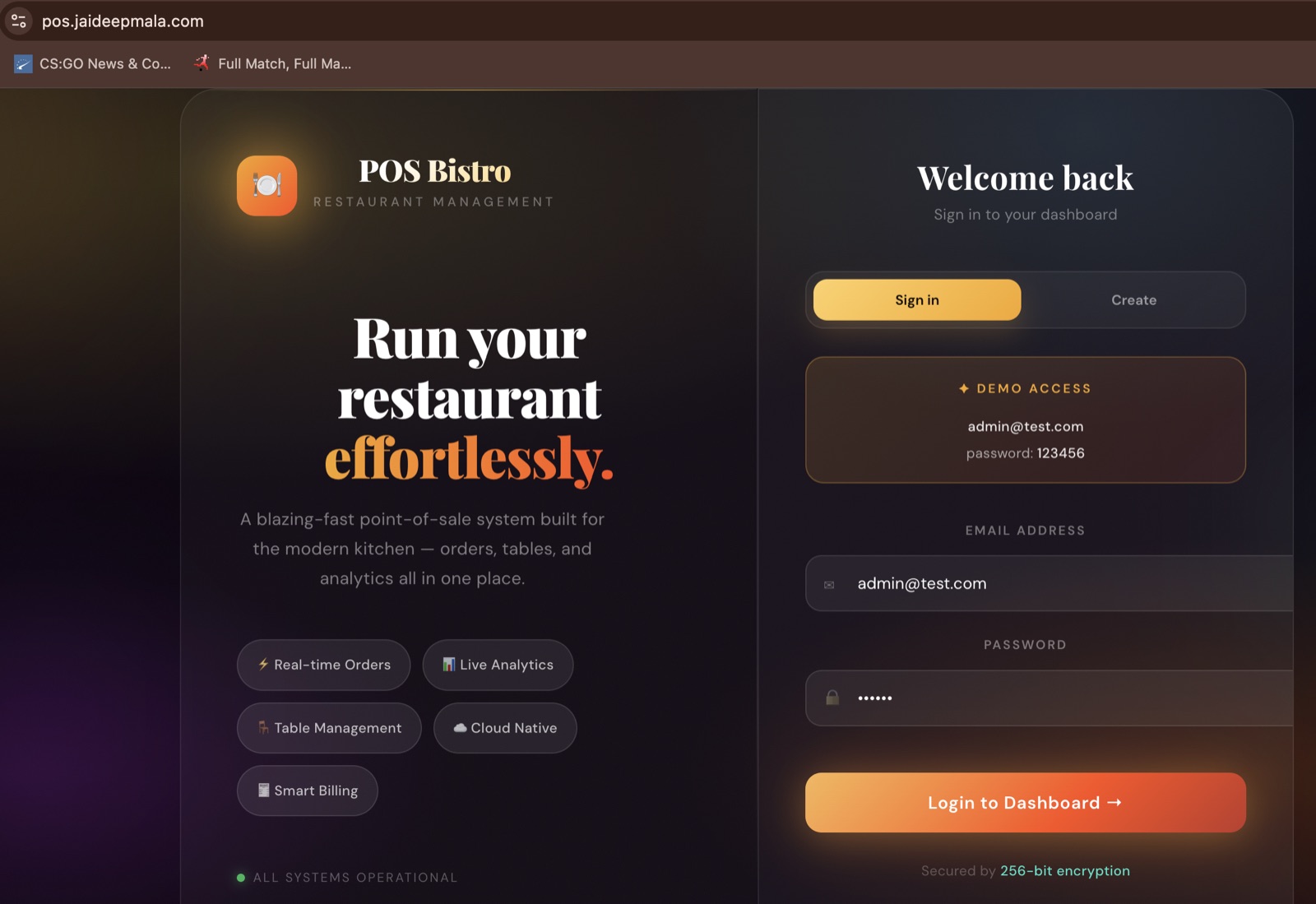
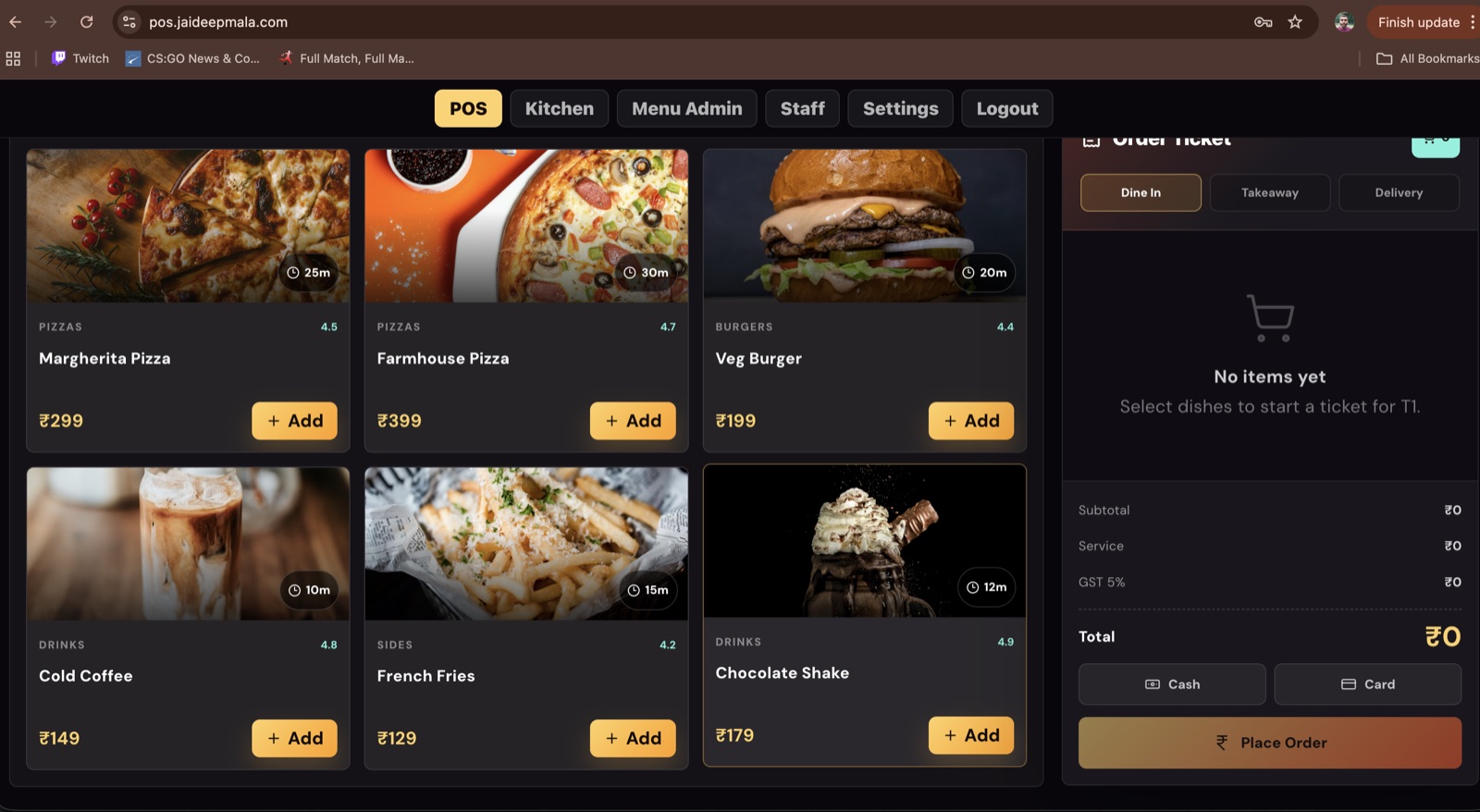
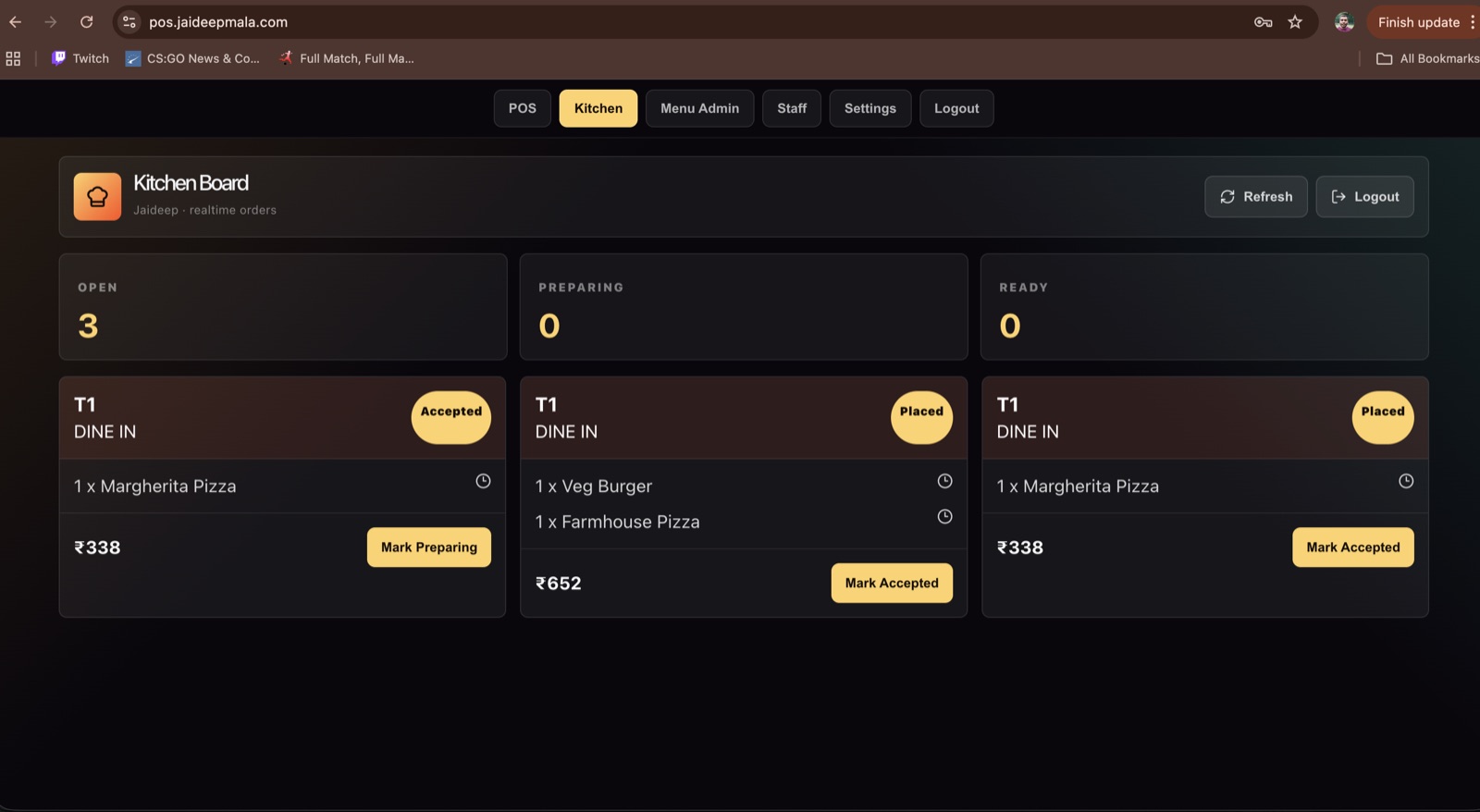
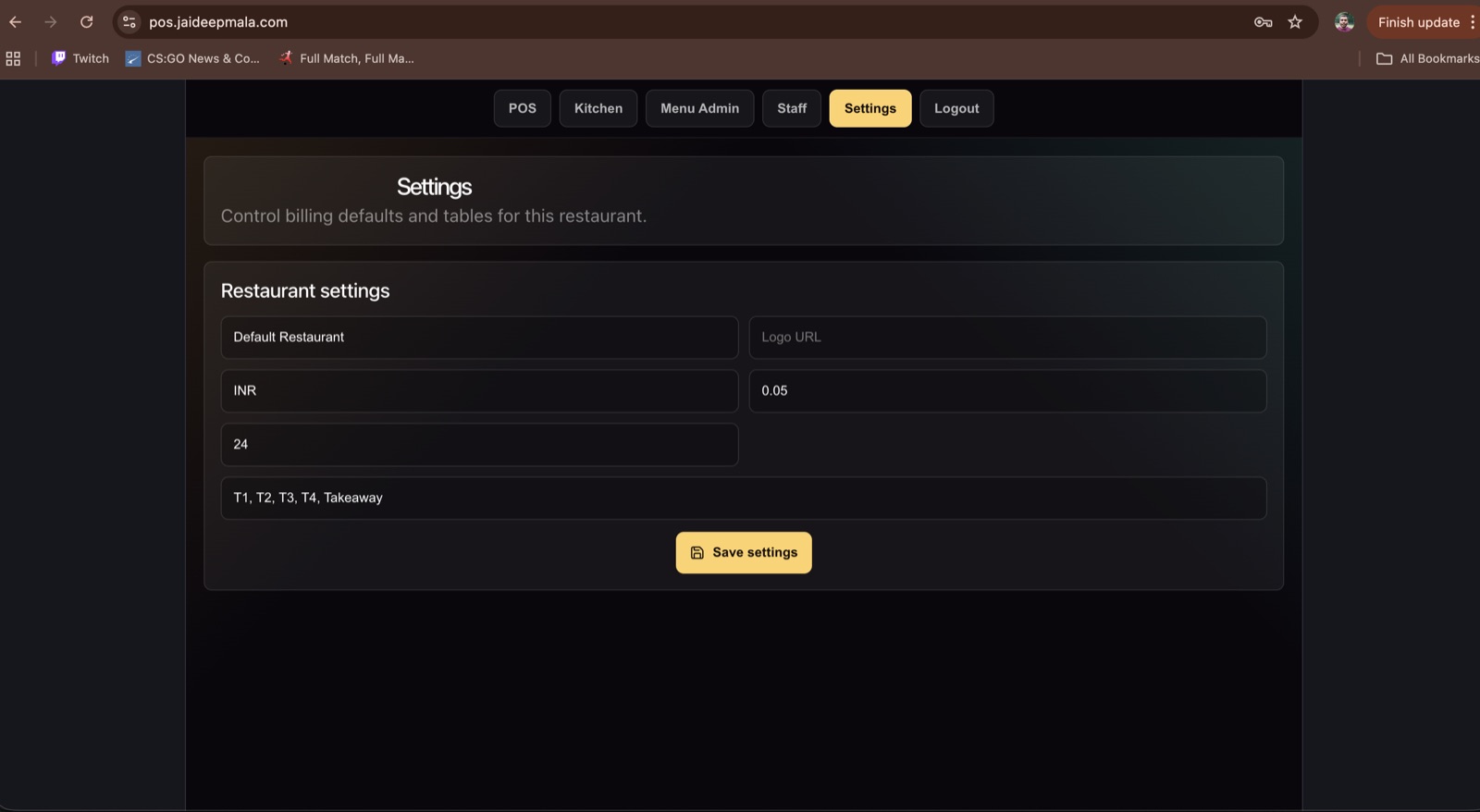
A browser-based point-of-sale platform for restaurants with live order flow, menu management, kitchen operations, role-based access, configurable billing, and multi-tenant foundations. This is the main product build: Vercel frontend, Render backend, MongoDB Atlas, realtime order updates, and a production domain at pos.jaideepmala.com.
Autonomous AI Software Engineering Workflow
I built a working autonomous coding agent around this POS product. From a simple Telegram request, the Node.js workflow creates a tracked job, plans the change, invokes Codex to edit the repository, runs build/test checks, reviews the diff, pushes a branch, opens a GitHub PR, and reports the result back to Telegram.
Private Telegram bot accepts natural-language feature requests and returns job progress updates.
Node.js controller manages lifecycle states, retry attempts, repository targets, artifacts, and logs.
The planner produces implementation intent, then Codex edits the checked-out frontend or backend repo.
The workflow runs configured frontend or backend checks and sends failures back into the repair loop.
A review pass inspects the generated diff for bugs, regressions, missing validation, and test risk.
The bot commits, pushes the branch, opens a GitHub PR, and sends the PR link back to Telegram.
Built as a real product path: frontend → API → database, then extended with staff roles, realtime updates, restaurant-specific settings, and a working autonomous AI PR workflow with planning, Codex code generation, automated checks, review, branch push, and Telegram notifications.
Distributed Job Scheduler
A generic distributed scheduling platform built with Java and Spring Boot. The system accepts one-off and cron jobs through APIs, persists durable job definitions in Postgres, dispatches due executions through Kafka, coordinates worker concurrency with Redis leases, retries failed jobs with backoff, moves exhausted executions to a dead letter queue, and exposes execution state for an operations dashboard.

Fault-Tolerant Scheduling Architecture
The scheduler separates job intake, dispatch, publication, and execution. The API stores job definitions in Postgres. A dispatcher claims due jobs with database locks, creates execution records, and writes outbox events. The outbox publisher sends execution events to Kafka. Worker services consume those events, acquire Redis leases, execute registered job handlers, and update Postgres with success, retry, or dead-letter status.
Postgres stores job definitions, executions, attempts, retry state, and dashboard history.
The dispatcher scans due jobs, uses row locks to avoid duplicate scheduling, and writes outbox events.
Kafka decouples scheduling from worker execution and allows worker fleets to scale independently.
Workers acquire expiring leases so duplicate Kafka deliveries do not run the same execution concurrently.
Failures are retried with policy-driven backoff before exhausted executions move to DLQ.
The dashboard shows job definitions, live executions, attempts, failure reasons, and replayable DLQ entries.
Built as a reusable infrastructure system: Spring Boot services on Render, Vercel dashboard, Postgres as source of truth, Kafka-compatible execution events, Redis lease coordination, retries, dead letter queue, and effectively-once execution semantics.
Hotel Booking Platform
A mobile-first hotel booking journey covering search, hotel discovery, room selection, review, and payment handoff — shaped for high-intent conversion and smooth travel-commerce flows.
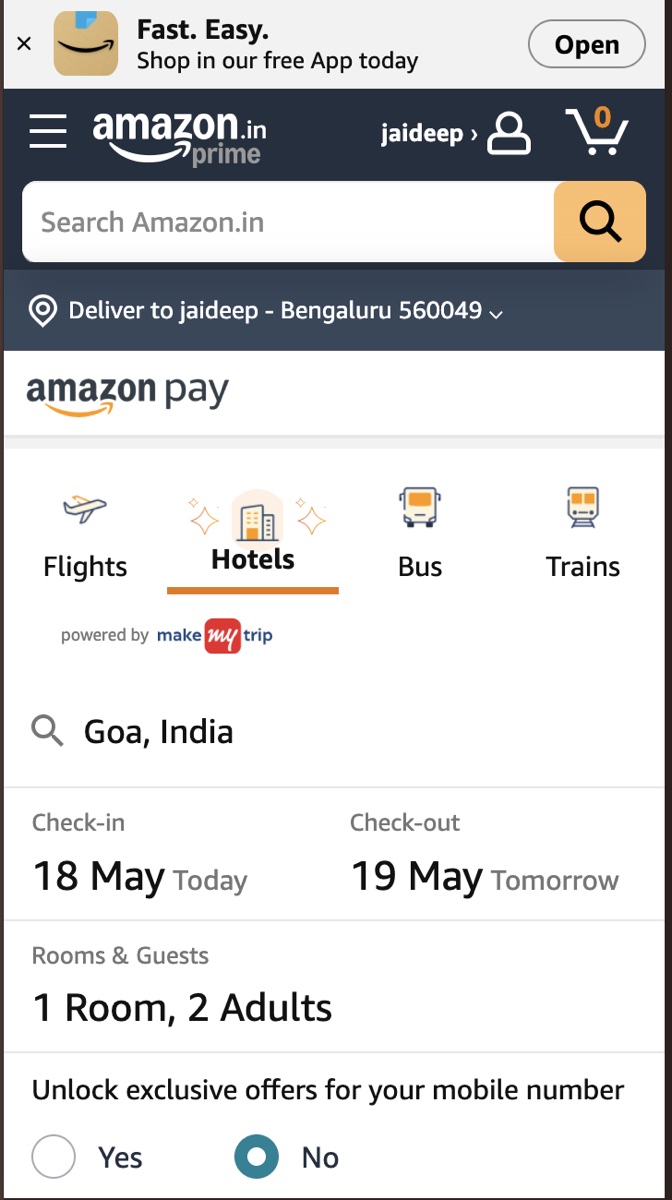
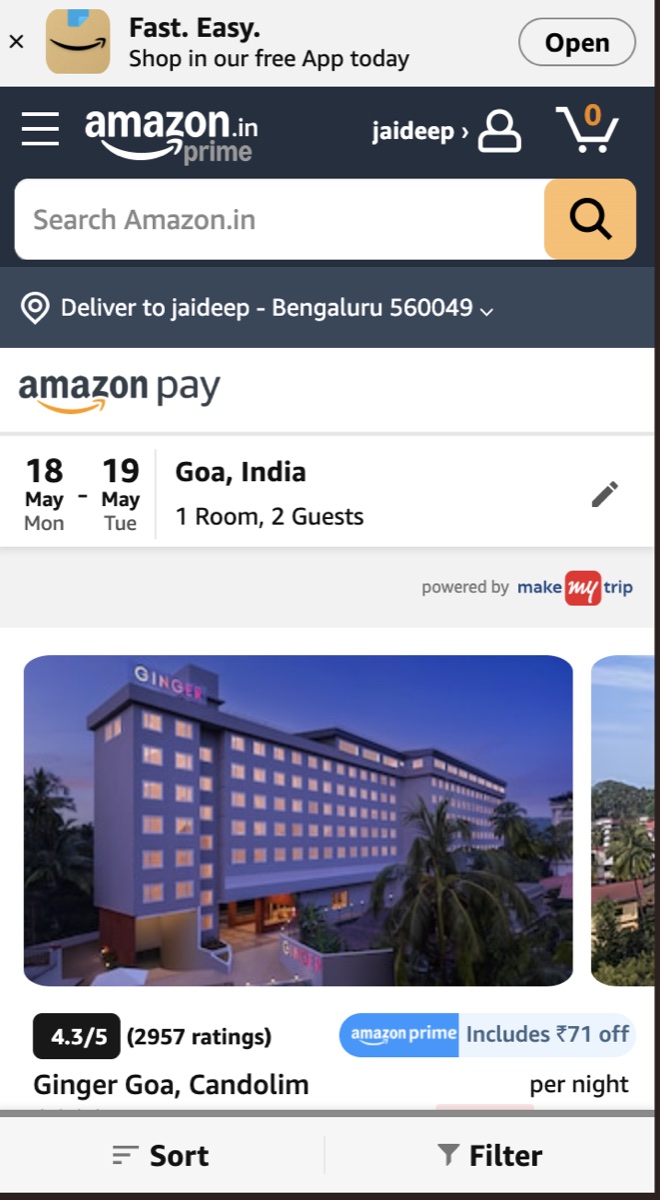
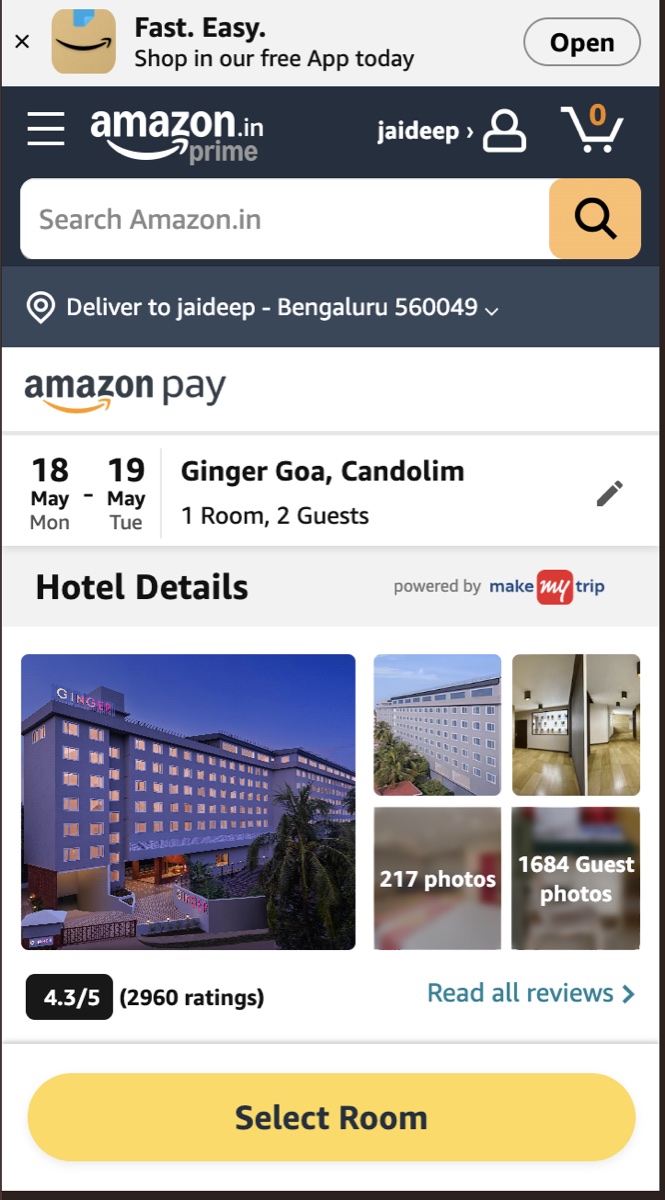
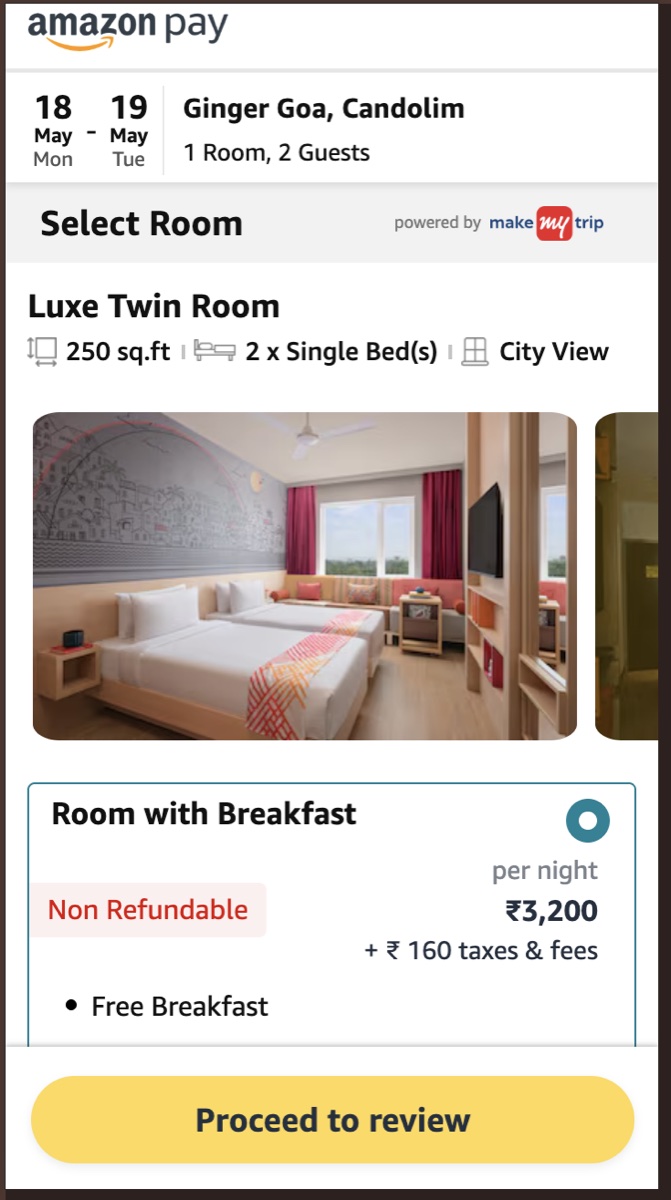
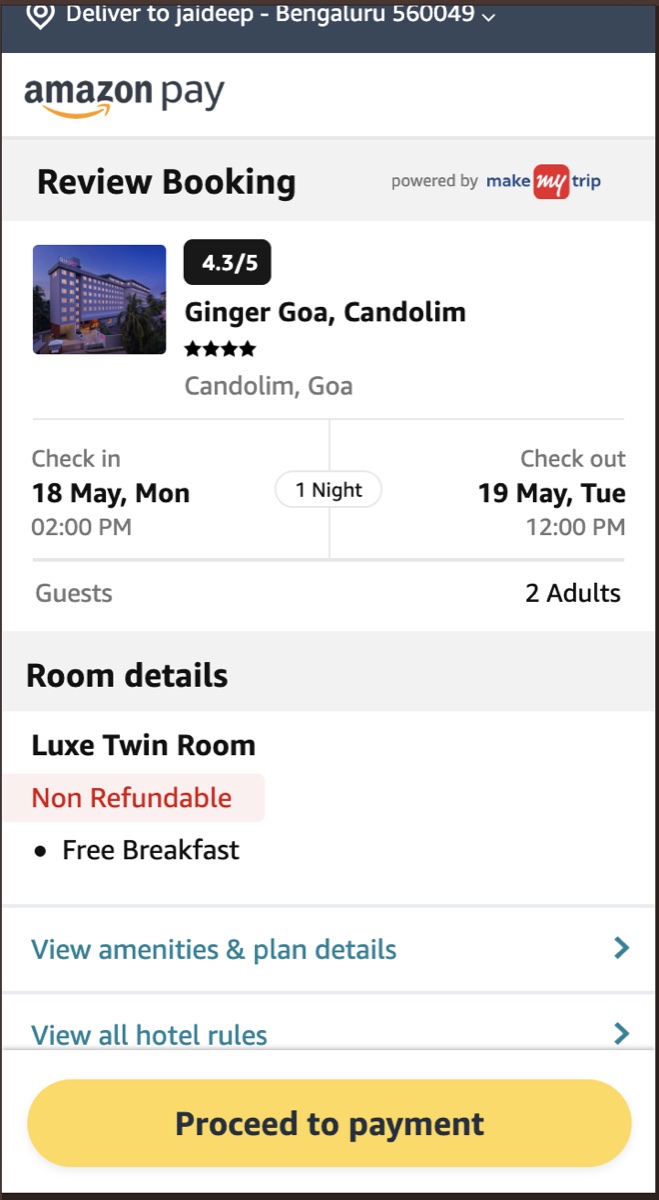
End-to-end booking flow from intent capture to room choice and checkout review.
📬 Contact
Email: jaideep.mala.personel@gmail.com
GitHub: github.com/jaideepmala
LinkedIn: linkedin.com/in/jaideep-mala